Outside taps — also called garden taps or hose bibs — often start leaking over time. It’s a common issue in both new garden builds and established gardens with irrigation systems.
If you notice water leaking around the handle spindle area, don’t panic. In most cases, you don’t need a plumber to fix it.
In fact, this is one of the first things worth checking when starting a landscaping project or installing garden irrigation. Fixing it early prevents mess, wasted water, and problems later when additional fittings are added.
You can watch the quick fix below or keep reading for a more detailed explanation.
Why Does an Outside Tap Leak?
Most taps leak because internal parts wear out over time. Garden taps are also exposed to harsh outdoor conditions like freezing weather, which speeds up deterioration.
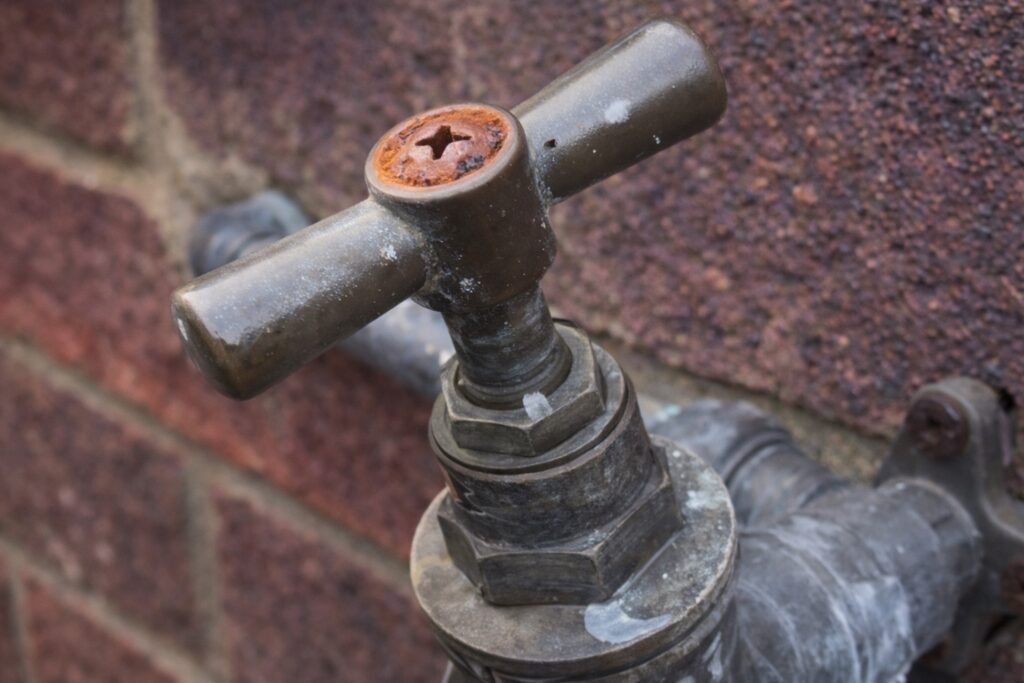
One of the most common leaks occurs around the tap spindle (the stem behind the handle).
In many cases, the issue is simply:
- A loose packing nut
- Worn packing material
Interesting fact
Water behaves differently from most liquids when it freezes.
Instead of shrinking, water expands by about 9% when it freezes. This expansion can put pressure on internal tap components and contribute to leaks over time.
Landscaping Perspective: Why Fix It Early
From a landscaping perspective, fixing a leaking outside tap should be done as early as possible.
Even when a new tap is included in the project quote, it’s not always practical to install or replace it immediately.
During construction stages, taps often get exposed to:
- Cement
- Plaster
- Adhesives
- Paint
- Dust and debris
While you may trust your own team, there are unfortunately plenty of builders who don’t pay attention to the landscaping work outside.
Protecting or delaying installation of the final tap can prevent unnecessary damage.
Irrigation Systems Make Leaks More Obvious
When installing a garden irrigation system, even a small leak becomes noticeable.
Once you add components like:
- Tap splitters
- Timers
- Hose connectors
…you create multiple potential failure points.
This is why it’s best to start at the top and eliminate leaks before installing additional fittings.
Your clients might not have noticed the leak before — but once the irrigation system is installed, they definitely will.
How to Fix the Leak
In most cases, the fix is very simple.
All you need to do is tighten the packing nut located just below the tap handle.
Turn the nut clockwise slightly.
⚠️ Do not over-tighten. If you tighten it too much, the tap will become stiff and difficult to operate.
A small adjustment is usually enough to stop the leak.
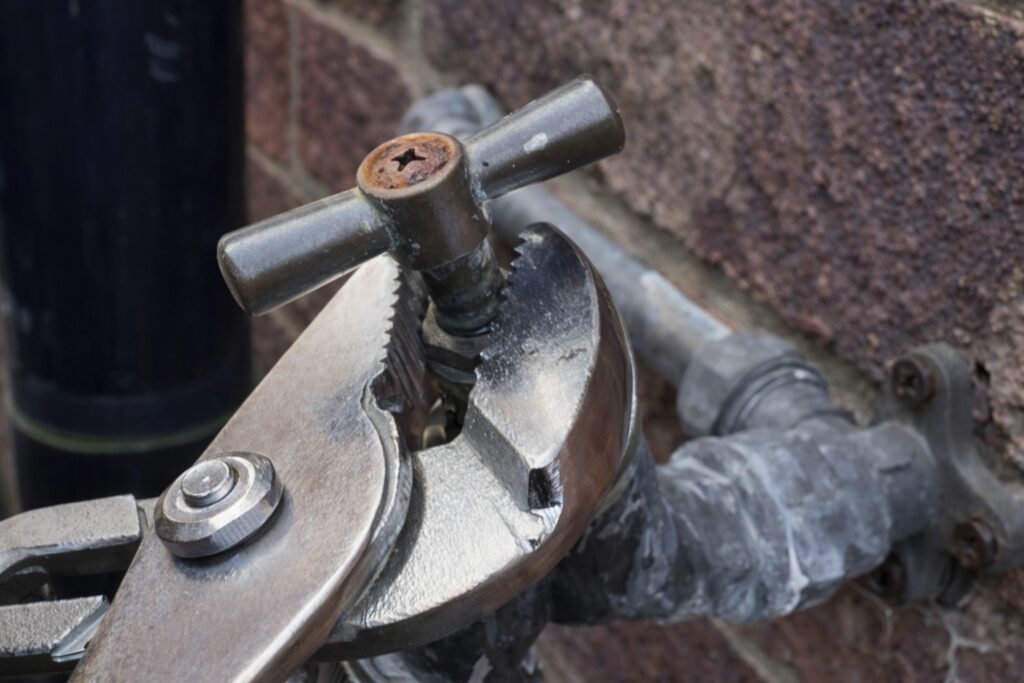
Tools You May Need
You only need one of the following tools:
- A correct-size spanner (best option)
- An adjustable spanner
- Multi-grip pliers (also known as water pump pliers)
Still Leaking?
If tightening the nut doesn’t solve the problem, the packing material may be worn out.
Luckily, this is also a simple fix.
You can:
1. Undo the packing nut
2. Leave the tap connected to mains water (you don’t need to shut it off)
3. Wrap PTFE tape around the spindle
4. Push it down gently
5. Reinstall and tighten the nut
This creates a new seal and often stops the leak immediately.
When to Replace the Tap
Sometimes the best option is to replace the tap entirely, especially if it’s old or heavily worn.
New taps can offer several advantages:
- Better durability
- Better protection
- Integrated check valves
- Improved hose connections
Replacing an old tap can also give you more flexibility when installing irrigation systems or hose splitters.
Taps Worth Considering
If you’re upgrading your garden tap, consider models designed specifically for outdoor use.
Look for features like:
- Frost-resistant taps
- Brass construction
- Double check valves
- Multiple connection points for hoses, timers
Quality taps last longer and reduce the risk of leaks in the future.
Final Thoughts
A leaking outside tap is a very common issue, but fortunately it’s also one of the easiest plumbing problems to fix.
In many cases, a simple adjustment of the packing nut will stop the leak in seconds.
If you’re installing a garden irrigation system or starting a new landscaping project, it’s always worth checking your tap early to avoid problems later.
A quick fix now can save time, water, and unnecessary headaches down the line.